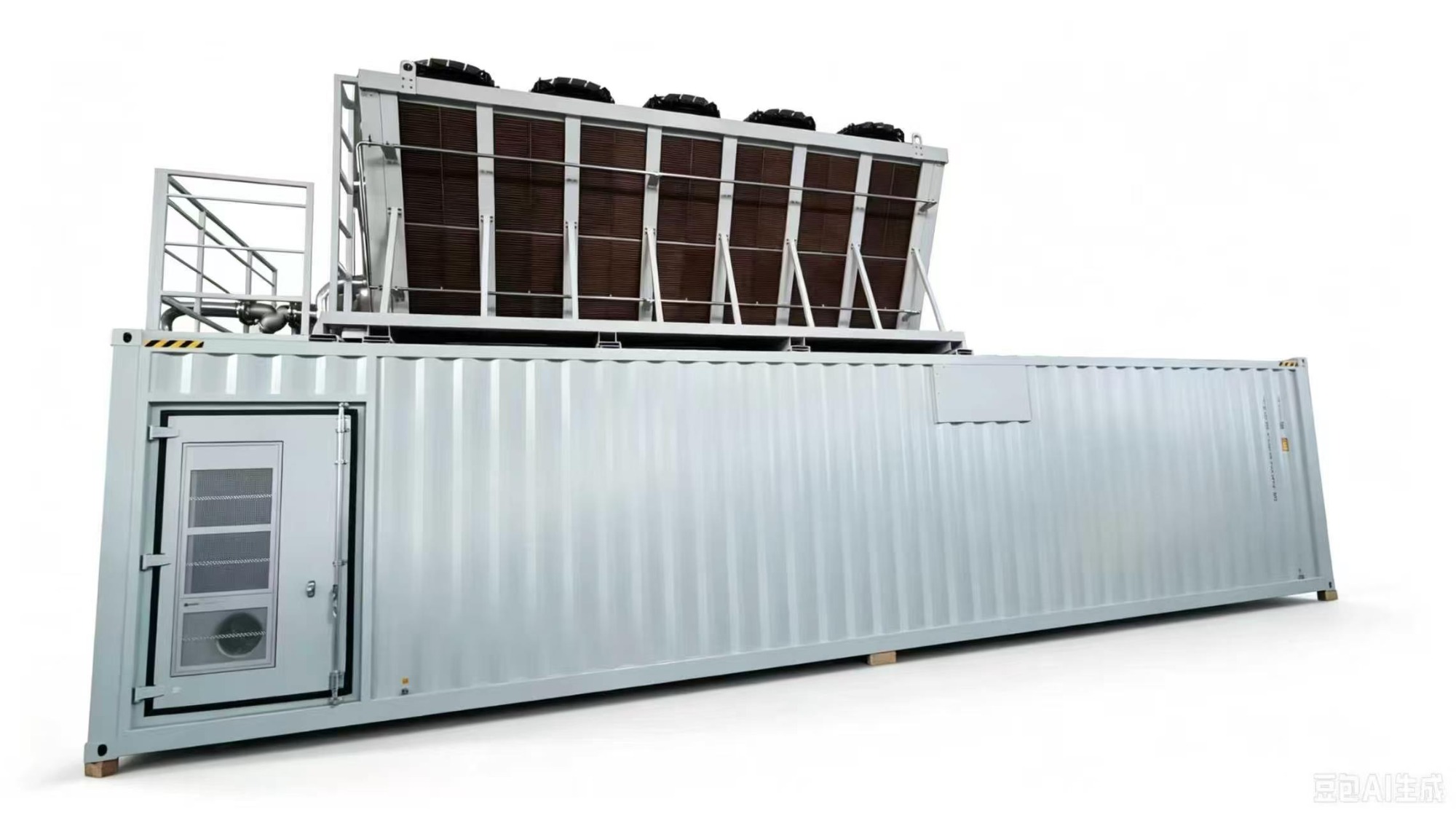
Liquid cooling system is an advanced thermal management solution that uses liquid medium instead of air to absorb and carry away heat generated by electronic hardware. Compared with traditional air cooling, it delivers far higher heat transfer capacity, making it the preferred cooling technology for high-density data centers, high-performance computing clusters and power-intensive IT equipment.
In conventional air cooling systems, fans push air across heat sinks to dissipate heat. However, as computing power rises, modern servers and GPUs produce massive heat in a compact space. Air has limited heat-carrying capability. Higher fan speeds bring louder noise, increased power consumption and unstable operating temperatures. Liquid cooling solves these bottlenecks, because liquid coolant has much greater specific heat capacity and thermal conductivity than air. It can absorb heat rapidly and transfer it out of the cabinet efficiently.
There are two mainstream technical routes: cold plate liquid cooling and immersion liquid cooling. Cold plate cooling attaches liquid cold plates directly onto hot components such as CPUs and GPUs. Coolant flows inside the plates to take heat away, without touching electronics. Single-phase immersion cooling, the solution promoted by Malis, submerges server hardware directly in dielectric coolant. The non-conductive liquid surrounds every heated component, absorbs heat evenly, and circulates to an external heat exchanger for heat rejection. No direct contact between coolant and power circuits means safe and reliable long-time operation.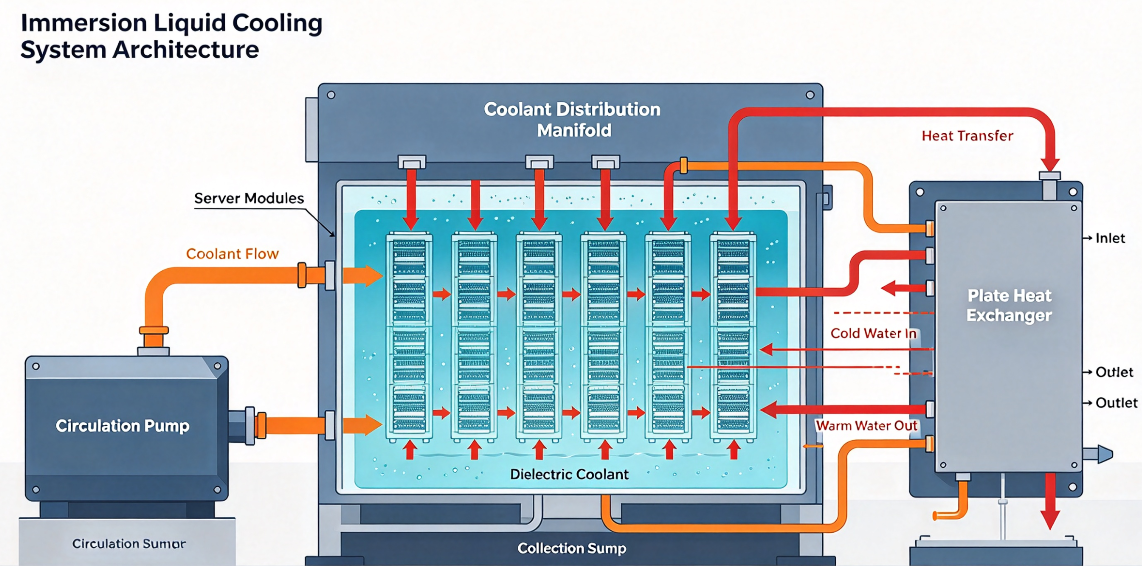
A complete immersion liquid cooling system consists of immersion tanks, server modules, circulating pumps, pipelines, heat exchangers and temperature control units. The dielectric coolant is the core working medium. ENEOS immersion cooling fluid, fully compatible with Malis immersion cooling equipment, adopts advanced additive formulation technology. It achieves excellent oxidative stability superior to ordinary PAO fluids. With stable chemical properties, long service life and outstanding heat exchange performance, this coolant maintains consistent thermal performance under continuous heavy loads.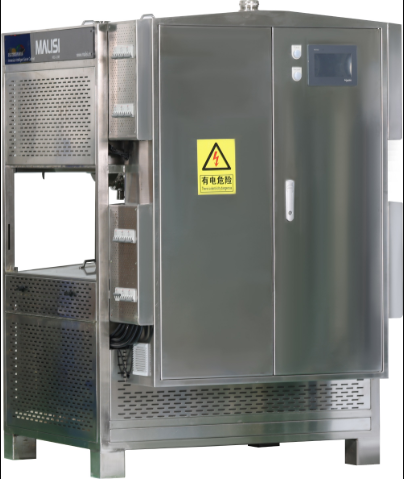
Liquid cooling brings multiple tangible benefits. It reduces overall power consumption for cooling, cuts operating noise, and keeps electronic devices running at stable low temperatures. Stable temperatures help extend hardware service life and reduce unexpected downtime. For data center operators, liquid cooling also supports higher rack power density, maximizing computing capacity within the same building footprint.
As AI computing and high-density data infrastructure keep expanding, air cooling gradually reaches its physical limit. Liquid cooling has become an indispensable foundation for next-generation data centers. Malis provides integrated immersion liquid cooling hardware solutions optimized for ENEOS coolant, helping customers build efficient, reliable and low-energy data center thermal management systems